Lucia Lee
Last update: 20/10/2025
Technology has become the silent partner in modern classrooms, not only making lessons more intuitive and effective but also reducing workloads for teachers. Among these innovations, computer vision in education stands out as a true game-changer. From recognizing student emotions and engagement levels to automating administrative tasks, it’s helping institutions create smarter, more responsive learning environments. Keep reading to discover everything you need to know about computer vision in education.
Computer vision is a field of artificial intelligence (AI) that enables machines to see, interpret, and understand the visual world much like humans do. Using machine learning algorithms and neural networks, computer vision systems analyze images and videos to identify patterns, recognize objects or people, and detect specific actions or anomalies. In other words, computer vision bridges the gap between visual perception and intelligent action, allowing computers to truly “see” and respond to the world around them.
At its core, computer vision transforms raw visual data into meaningful insights and automated decisions. By processing countless visual inputs, these systems can detect details the human eye might miss - whether it’s spotting a student’s disengagement in class, reading handwritten text, or ensuring campus security.
From monitoring classrooms to detecting intrusion, schools and universities are finding new ways to create safer and more efficient learning environments. Let’s take a closer look at how computer vision is revolutionizing education!
Attendance tracking
Computer vision in education provides a convenient way to track student attendance. By using facial recognition attendance systems for schools, teachers can say goodbye to time-consuming roll calls. These systems use facial image analysis to automatically identify students as they enter the classroom, mark attendance instantly, and store the data securely for later review. Teachers can access the results through web dashboards, receive alerts for unauthorized individuals, and ensure complete accuracy with minimal effort.
Also read: Smart CCTV for Schools: Everything You Need to Know
Student behavior and engagement analysis
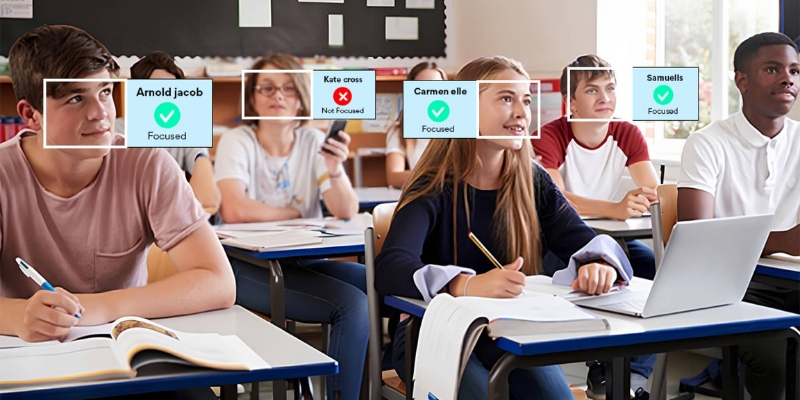
Knowing how students feel and behave in class helps teachers fine-tune their approach for better learning outcomes. AI-powered classroom monitoring systems are valuable tools for this purpose, analyzing visual data processing from cameras to assess student engagement throughout lessons.
Using multimodal data such as eye gaze, facial expressions, posture, and gestures, these systems can detect when students are distracted, confused, or actively participating. The information helps teachers adapt their teaching style, improve class management, and offer timely support to learners who might be struggling. Essentially, smart classrooms using computer vision turn passive observation into actionable learning analytics.
Student behavior and engagement analysis
Detecting cheating during exams
Cheating detection can be a daunting task, but it doesn’t have to be with the help of AI-powered exam monitoring tools. By tracking visual cues such as frequent eye movement, unusual gestures, or the use of unauthorized devices, these systems can flag suspicious activity during in-person tests. This helps invigilators spot incidents in real time without the fatigue that comes with long hours of supervision.
Online exam proctoring
With the rise of virtual classrooms, computer vision for online exam proctoring has become indispensable. It leverages facial recognition and image analysis to verify student identity, track gaze direction, and monitor body movements. The system can detect behaviors like leaving the screen area, using a phone, or switching browser tabs - ensuring test integrity even in remote settings. Combined with digital assessment and automated grading, it creates a secure, fair, and efficient examination process.

Online exam proctoring
Personalizing learning paths
Personalization is the key to better learning outcomes. Computer vision for personalized learning analytics uses machine learning to analyze how students interact with educational technology, such as reading materials or digital exercises. By observing facial expressions and behavior patterns, the system can identify when a student is struggling or excelling and adjust lesson difficulty or suggest relevant content accordingly. This application of computer vision in education enables personalized learning experiences that adapt in real time, catering to each learner’s unique pace and style - something traditional teaching methods can’t easily achieve.
Parking management system
Computer vision in education also extends beyond classrooms to improve campus operations. In parking areas, cameras equipped with image analysis detect vehicle occupancy, recognize license plates, and provide real-time updates on available spaces. Data dashboards can display parking availability to staff and students, helping reduce congestion and improve traffic flow. This form of automated management ensures smoother campus logistics and enhances convenience for everyone.
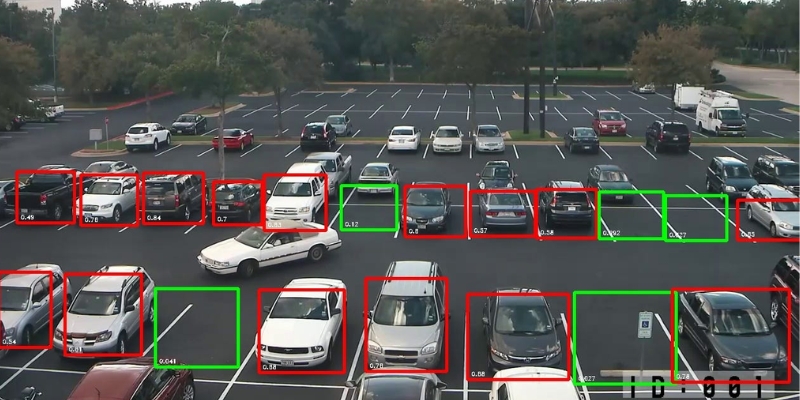
Parking management system
Vandalism prevention
Surveillance powered by computer vision can identify suspicious or destructive behavior around campus in an effective way. Systems equipped with visual data processing can detect abnormal actions - such as loitering, trespassing, or attempts to damage property - and immediately alert security personnel. The presence of such AI-powered deterrence systems not only prevents vandalism but also fosters a safer and more accountable school environment.
Campus security monitoring
Schools are increasingly relying on computer vision in education for real-time security. Cameras embedded with AI-driven behavior monitoring detect intrusions, loitering, smoke, and even visible weapons, ensuring proactive response before incidents occur. Integrated with access control and digital assessment tools, these systems provide a unified security approach, protecting both students and faculty around the clock.
Crowd analysis
During large events, assemblies, or emergencies, computer vision in education systems analyze crowd density, track movement patterns, and identify bottlenecks. Through visual data processing, administrators can ensure compliance with safety protocols and manage evacuations efficiently if needed. This technology not only enhances safety but also supports better planning for events and daily campus operations.
Also read: Computer Vision for Crowd Monitoring in 2025: What to Know
The adoption of computer vision in education is reshaping classrooms and campuses, offering practical advantages that go far beyond automation. From giving teachers better insights into student engagement to improving school safety, this technology is helping educational institutions work smarter and teach more effectively. Let’s explore what computer vision in education brings to the table!
Greater efficiency in classroom operations
One of the biggest benefits of computer vision is its ability to handle repetitive administrative work that often consumes teachers’ precious time. Tasks like taking attendance, grading multiple-choice exams, or tracking classroom participation can all be automated using computer vision systems. This means teachers spend less time on paperwork and more time doing what they do best - teaching. Over time, this automation not only reduces workload but also improves accuracy and consistency in record-keeping.
Enhanced teaching and learning insights
Computer vision in education gives educators a window into how students are truly engaging with lessons. By analyzing visual cues such as facial expressions, eye movement, and body language, AI systems can detect signs of confusion, disinterest, or enthusiasm in real time. These insights help teachers adjust their approach - perhaps by revisiting a difficult concept, switching teaching methods, or offering targeted support to struggling learners. In the long run, this enables more personalized and responsive education, where every student gets the attention they need.
Improved campus security
Keeping students safe is a top priority, and computer vision in education brings a new level of intelligence to school security systems. With AI-powered surveillance cameras, schools can automatically detect unusual activities, unauthorized entries, or even identify individuals who may pose a threat - all in real time. Beyond threat detection, the same systems can also help manage crowd flow during events, ensure restricted areas are protected, and alert staff to potential emergencies. This proactive approach helps create a safer, more controlled environment for everyone on campus.
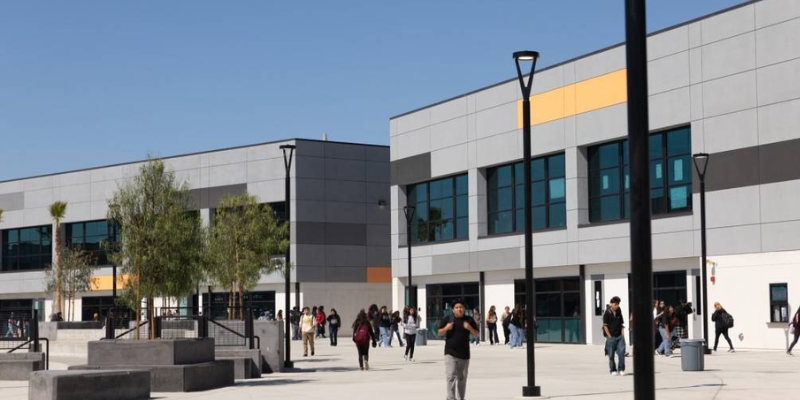
Improved campus security
Data-driven decision-making
Computer vision doesn’t just collect visual data - it transforms it into actionable insights. For example, by analyzing student attendance patterns, engagement levels, or even classroom occupancy, schools can make smarter decisions about curriculum planning, resource allocation, and facility management. Administrators gain a clearer understanding of what’s working and what’s not, allowing them to improve both academic and operational strategies. Over time, these data-backed decisions contribute to better outcomes and more efficient use of school resources.
Cost-effectiveness and scalability
While implementing computer vision in education may require some initial investment, the long-term returns are substantial. Automating routine processes reduces staffing costs, minimizes human error, and streamlines workflows. Moreover, computer vision systems are highly scalable - once in place, they can be easily expanded to cover new classrooms, buildings, or even entire school districts without the need for massive additional spending. For educational institutions aiming for sustainability and growth, it’s a smart long-term investment that pays off in both efficiency and value.
While computer vision opens up exciting possibilities for the education sector, it also comes with its fair share of hurdles. Schools and universities that plan to adopt this technology must carefully weigh these challenges to ensure ethical, secure, and sustainable implementation.
Data privacy and security concerns
Perhaps the most pressing challenge of using computer vision in education is protecting students’ personal data. Since computer vision relies heavily on capturing and analyzing visual information - including faces, gestures, and behavioral patterns - it inevitably raises privacy issues. Schools must establish clear policies and technical safeguards to ensure that this sensitive data is securely stored, properly encrypted, and only used for legitimate educational purposes. Compliance with privacy laws like GDPR is essential to maintain trust among parents, students, and educators. Without strong privacy measures, even the most innovative systems can quickly lose credibility.
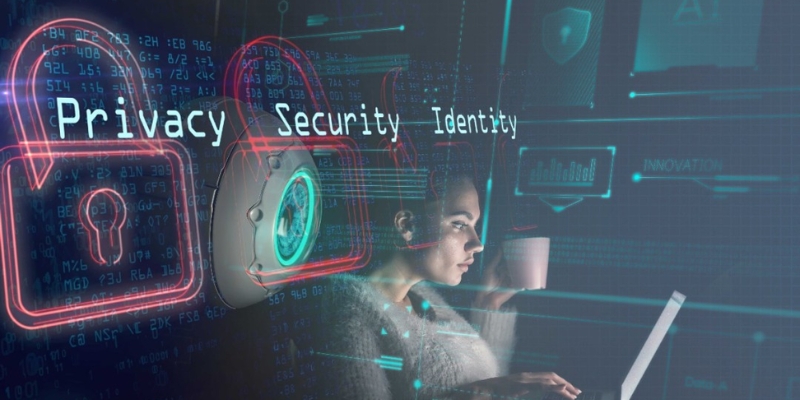
Data privacy and security concerns
High cost of implementation and maintenance
While computer vision in education can generate long-term efficiency, the upfront investment is substantial. Cameras, sensors, servers, and software licenses can quickly add up - especially for smaller institutions with limited budgets. Additionally, maintaining these systems requires ongoing technical support, software updates, and sometimes retraining staff to keep up with new tools. For many schools, this combination of initial setup and continuous upkeep can pose a significant financial burden. However, partnering with experienced technology providers and scaling implementation gradually can help manage costs more effectively.
Technical and operational complexity
Deploying computer vision systems isn’t as simple as plugging in a camera. It requires specialized knowledge in AI, machine learning, and data management - skills that not every educational institution has in-house. Without proper expertise, systems may fail to function correctly or deliver inaccurate insights. To overcome this, schools often need to collaborate with external AI solution providers or invest in staff training. Still, even with support, the learning curve and integration process can be challenging, particularly for institutions new to digital transformation.
Bias and fairness in AI models
AI algorithms are only as good as the data they’re trained on. If the training datasets lack diversity or representation, the system may develop biases in interpreting student behavior - such as misreading cultural expressions, gestures, or engagement patterns. This can lead to unfair or inaccurate assessments that affect students’ learning experiences. Developers and educators must actively monitor, test, and refine these models to ensure that they’re fair and inclusive. Continuous evaluation and feedback loops are crucial to reducing bias and improving reliability.
Ethical and psychological considerations
There’s also a fine line between observation and surveillance. While computer vision can enhance safety and learning insights, excessive monitoring might make students feel constantly watched, leading to discomfort or anxiety. Institutions must communicate transparently about why and how computer vision is used, obtain informed consent where necessary, and ensure the technology serves a clear educational purpose. Respecting student autonomy and mental well-being is key to addressing privacy and ethics of AI surveillance in schools.
Computer vision is transforming education by making learning more interactive, personalized, and efficient. From automating attendance to enhancing student engagement and safety, computer vision in education is redefining how institutions teach and operate as well as how students study.
At Sky Solution, we develop tailored computer vision solutions for education that help schools and organizations unlock smarter ways to learn, teach, and manage. Ready to embrace the future of intelligent education? Partner with Sky Solution today and bring innovation to every classroom.




.jpg&w=3840&q=75)